
Mount Kilimanjaro Climbing
Overview
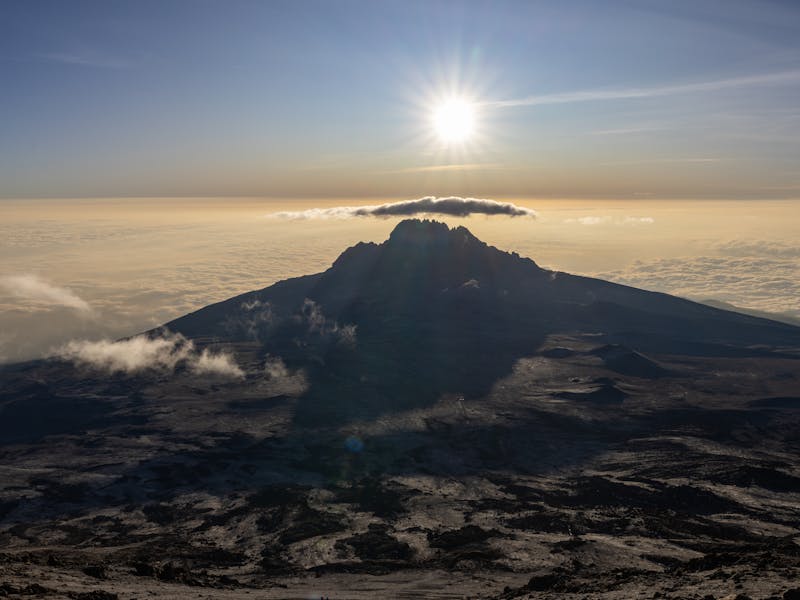
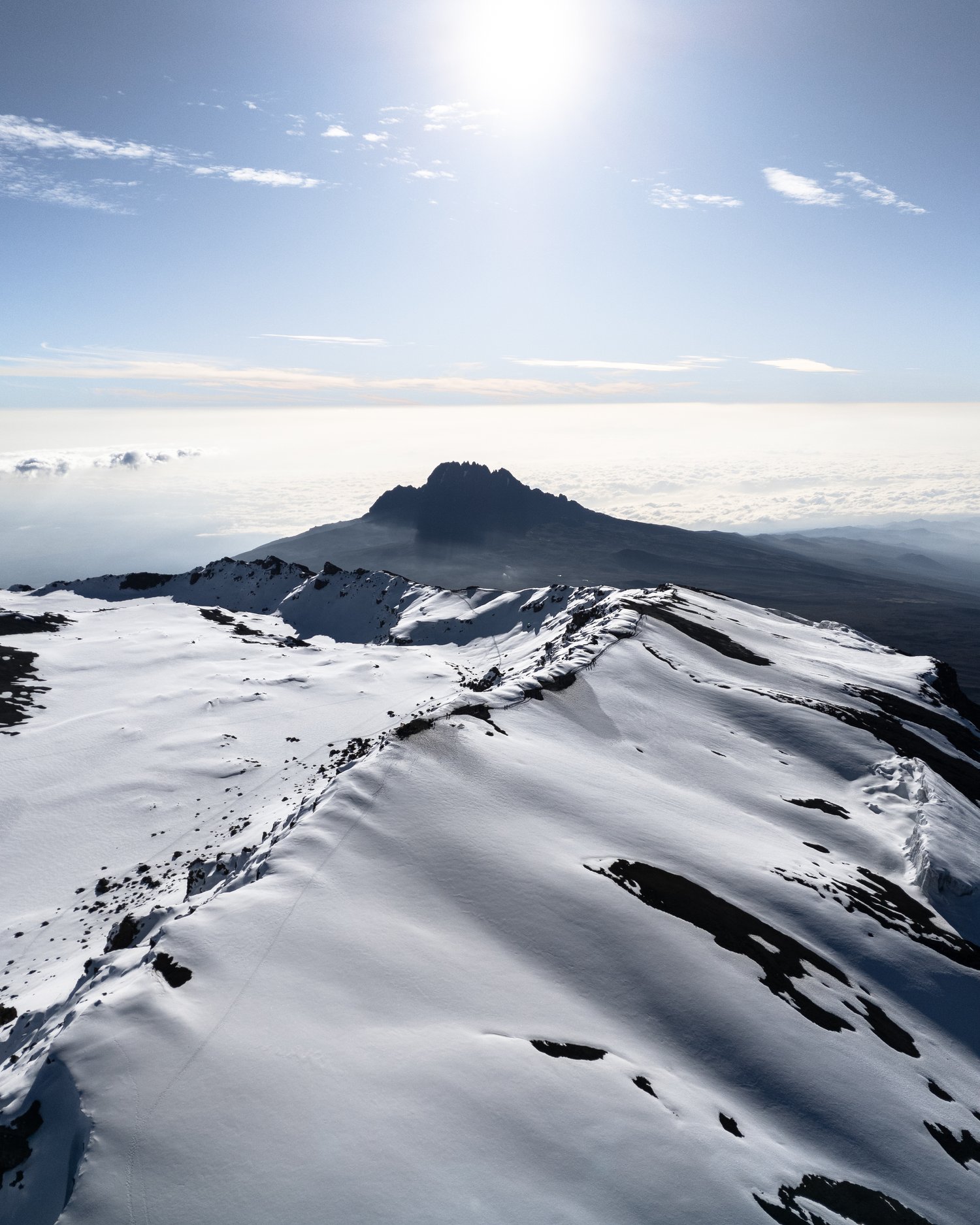
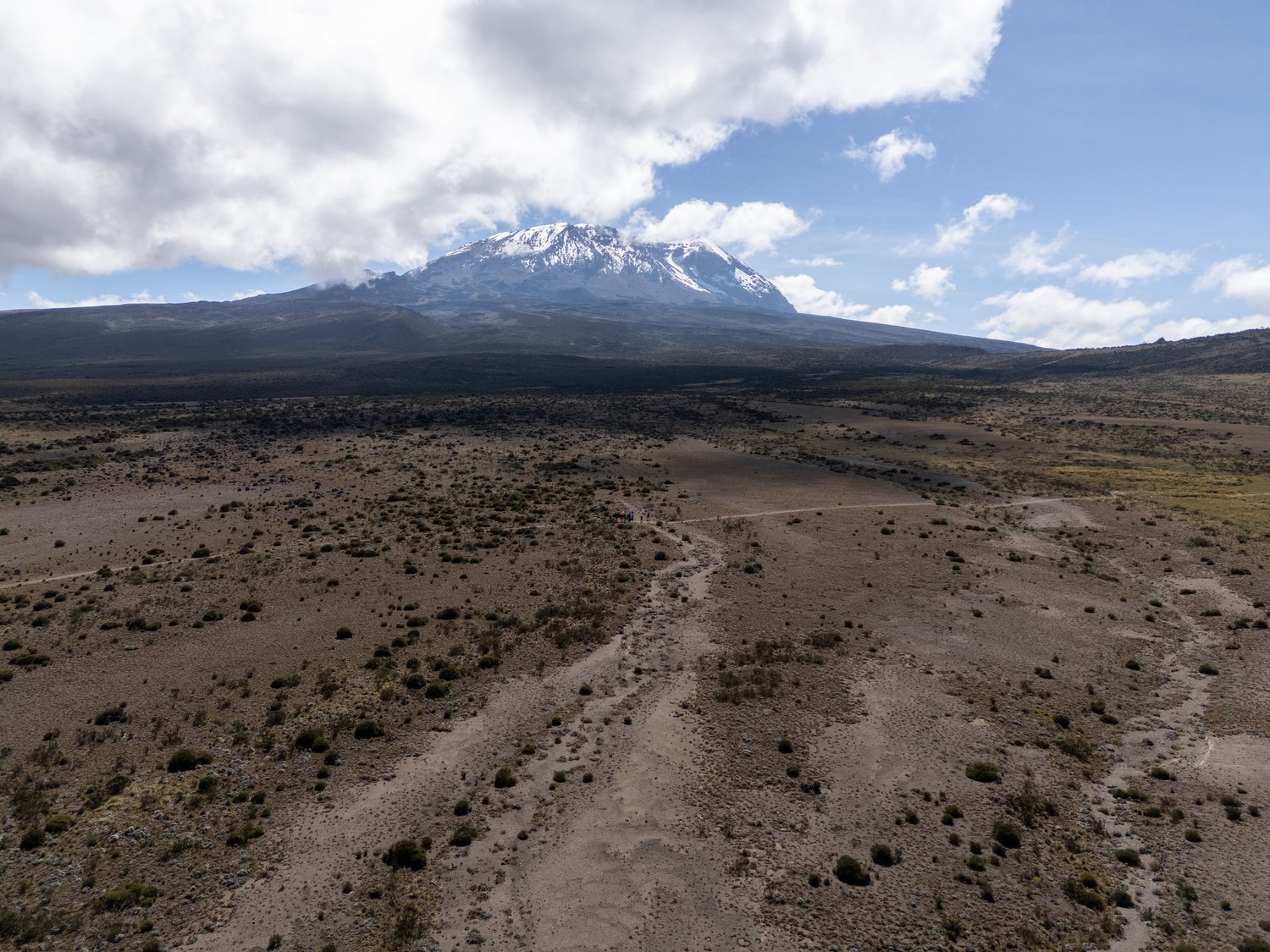
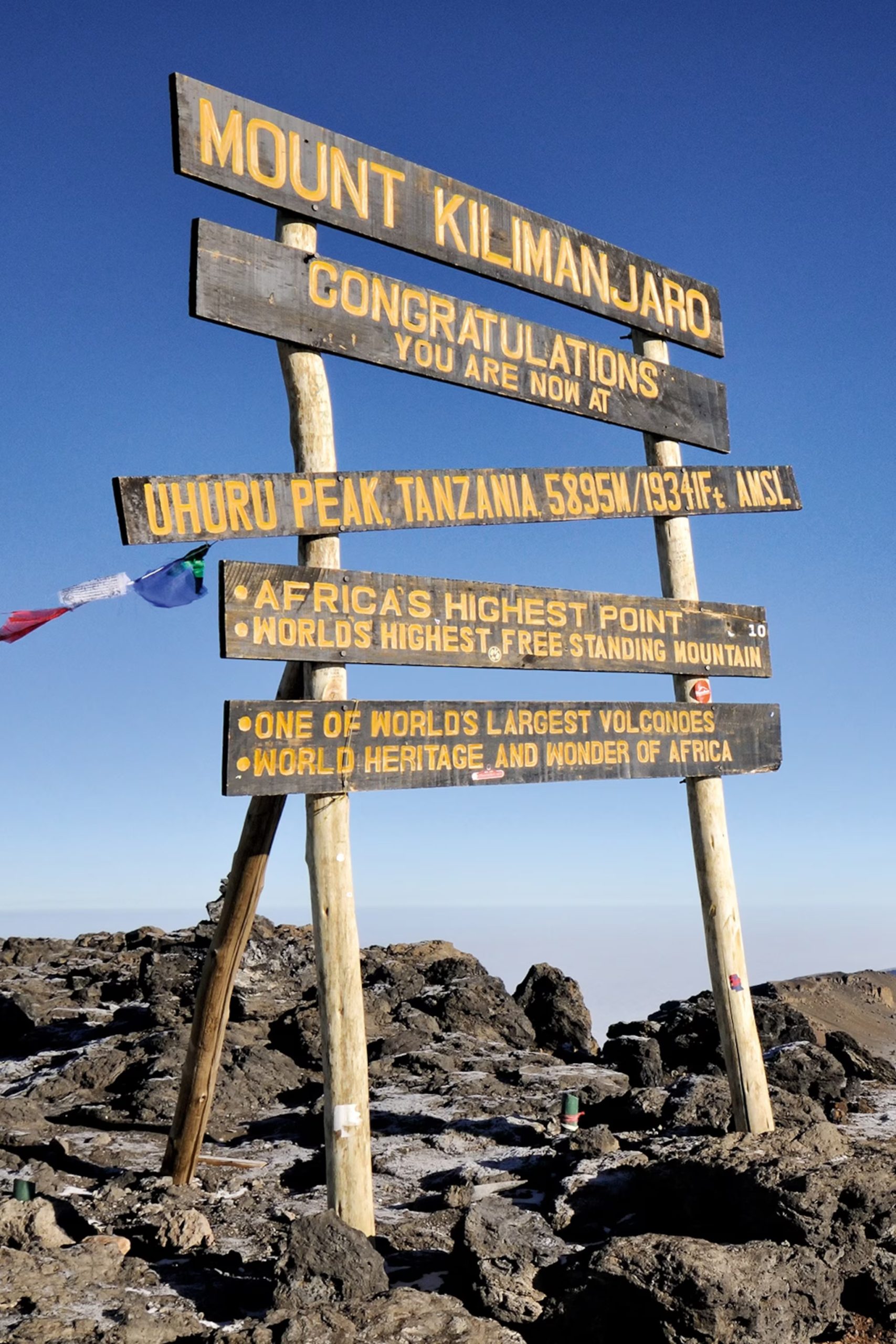
Mount Kilimanjaro, standing at 5,895 meters (19,341 ft), is the highest mountain in Africa and the tallest free-standing mountain in the world. Located in northern Tanzania, this iconic peak attracts trekkers from around the globe seeking a once-in-a-lifetime adventure to Uhuru Peak, the Roof of Africa.
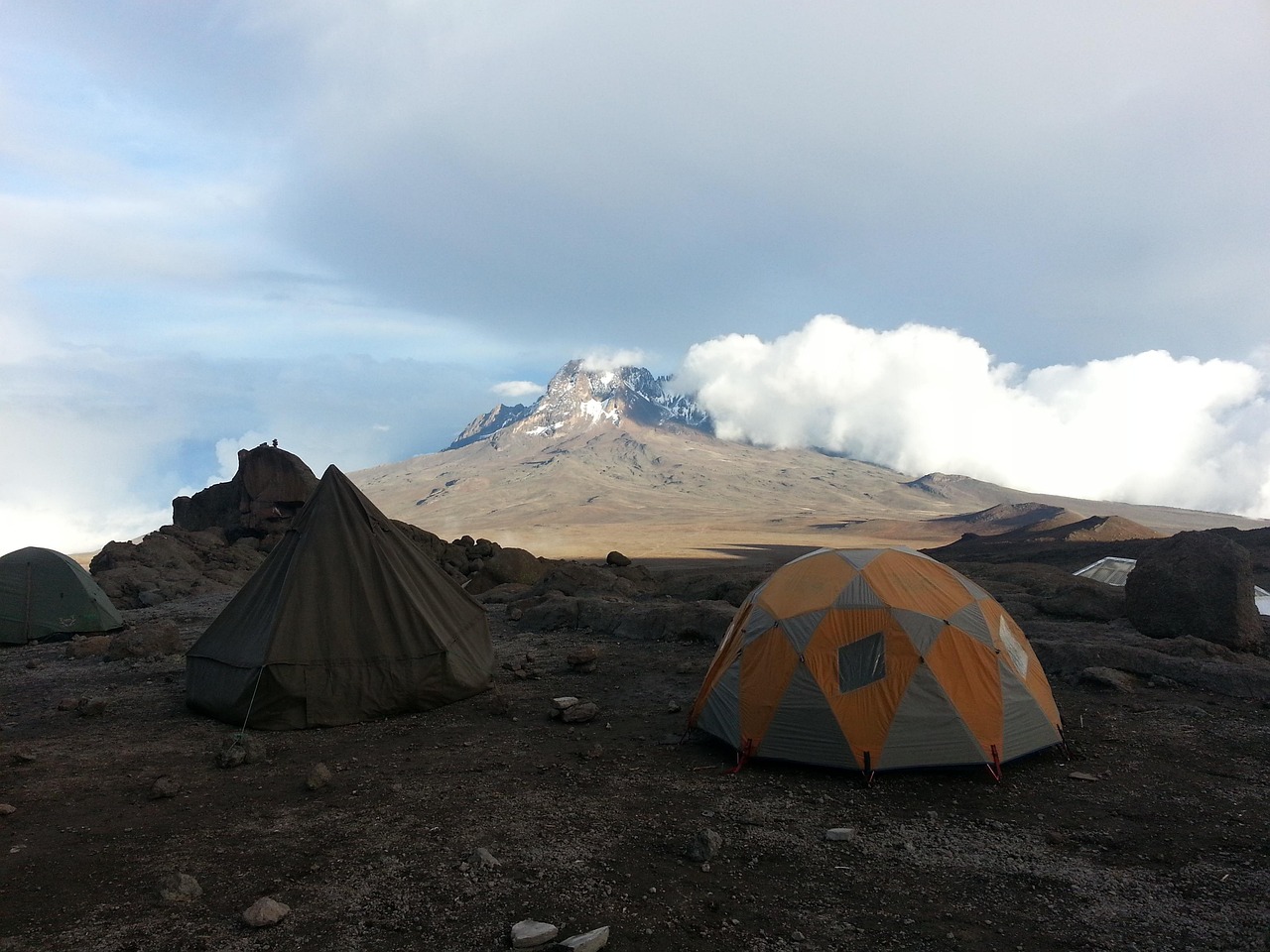
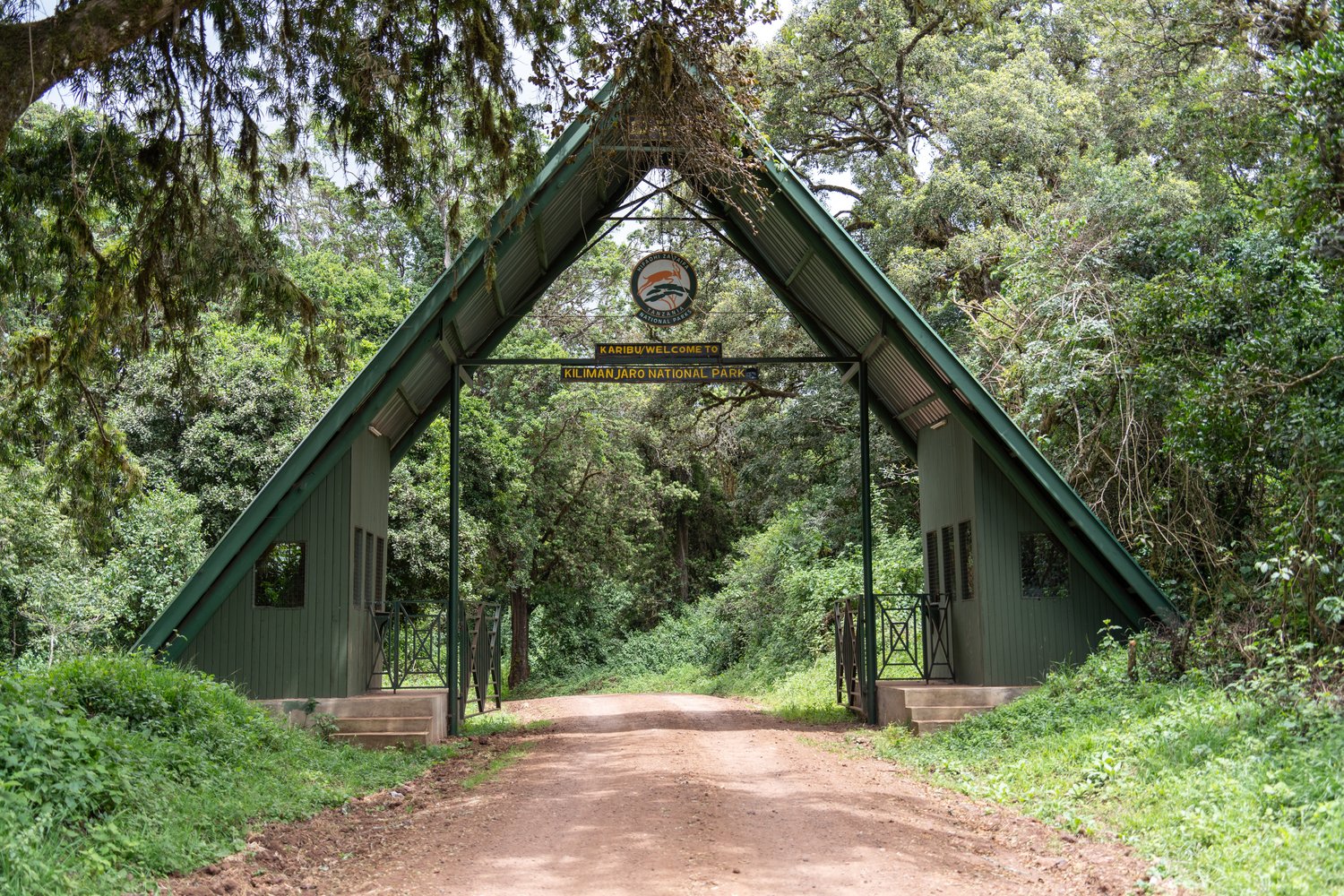
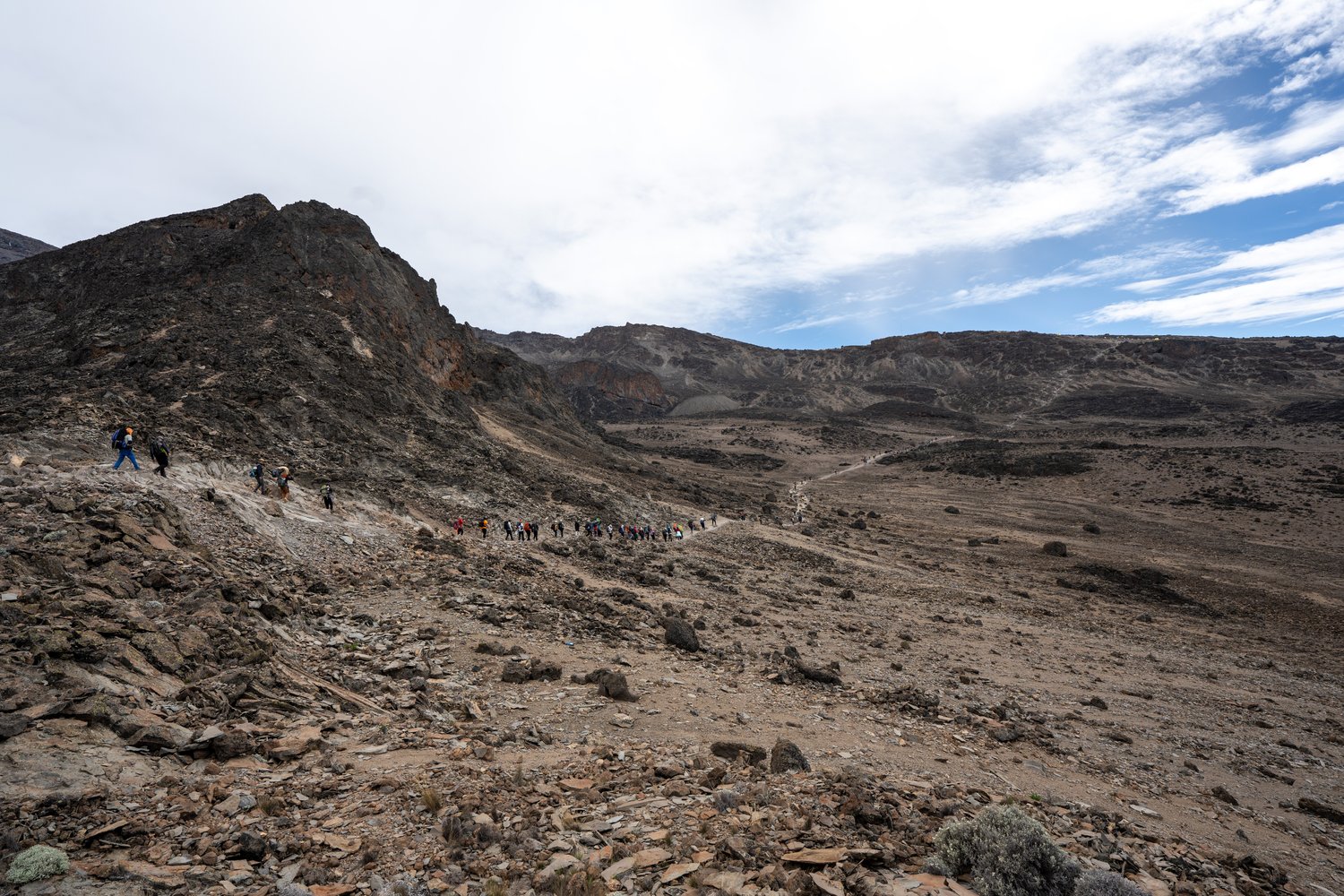
Climbing Kilimanjaro is a non-technical trek, meaning no mountaineering or climbing experience is required. However, the challenge lies in altitude, endurance, and proper acclimatization. The journey takes hikers through five distinct ecological zones—cultivated farmland, lush rainforest, heath and moorland, alpine desert, and the arctic summit zone—each offering unique scenery and changing landscapes.
Several established routes lead to the summit, including Marangu, Machame, Lemosho, Rongai, Northern Circuit, and Umbwe, each varying in difficulty, scenery, traffic, and acclimatization profile. Choosing the right route and itinerary length plays a major role in summit success.
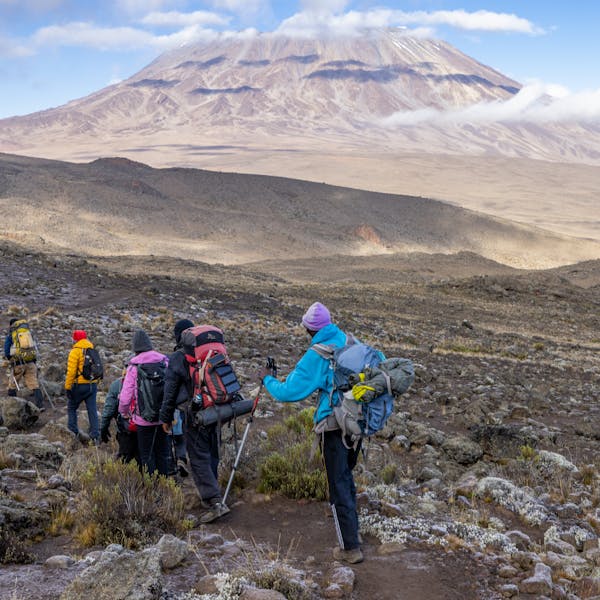
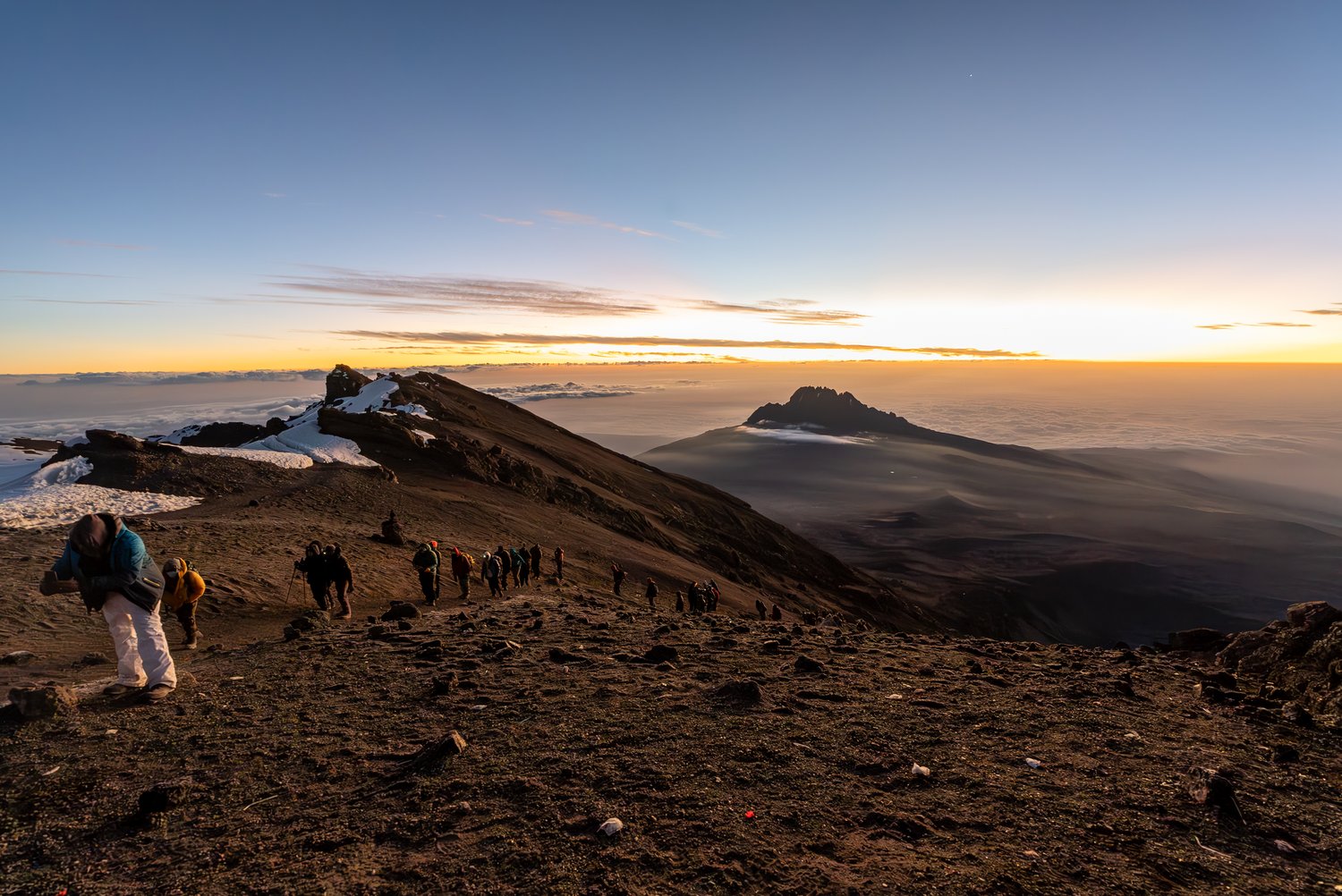
With experienced guides, proper acclimatization, and a well-paced itinerary, Kilimanjaro is achievable for most fit and determined trekkers. Reaching Uhuru Peak at sunrise is a powerful and unforgettable achievement, offering sweeping views across Tanzania and Kenya.
Why Choose Mount Kilimanjaro?
Africa’s Highest Peak
Mount Kilimanjaro is the highest mountain in Africa at 5,895 meters, offering the unforgettable achievement of standing on the Roof of Africa.
No Technical Climbing Required
Unlike many high mountains, Kilimanjaro is a trekking peak, meaning no ropes, ice axes, or climbing experience are needed.
Five Distinct Climate Zones
In just a few days, you’ll walk through five ecological zones, from tropical rainforest to arctic conditions at the summit
Breathtaking Scenery
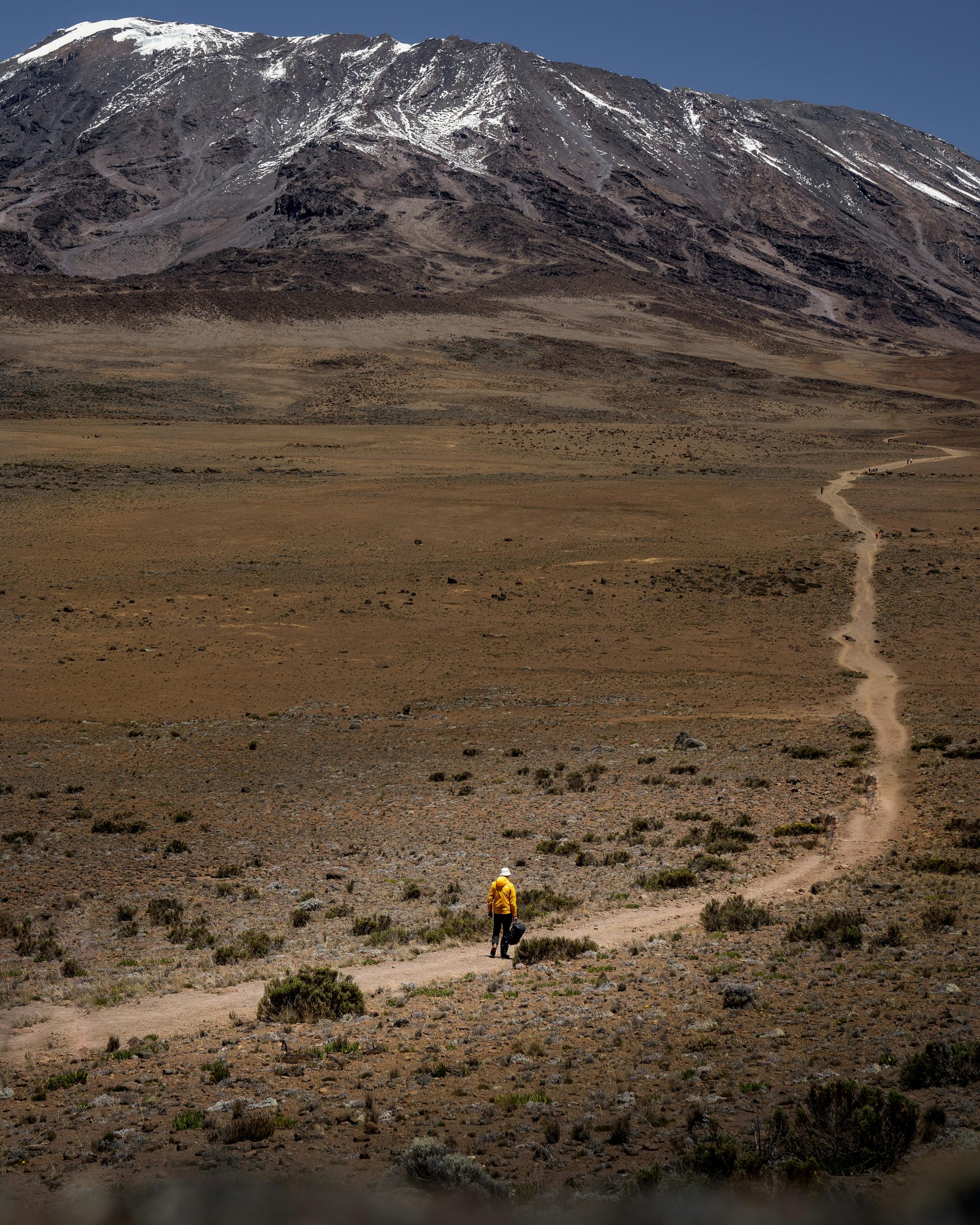
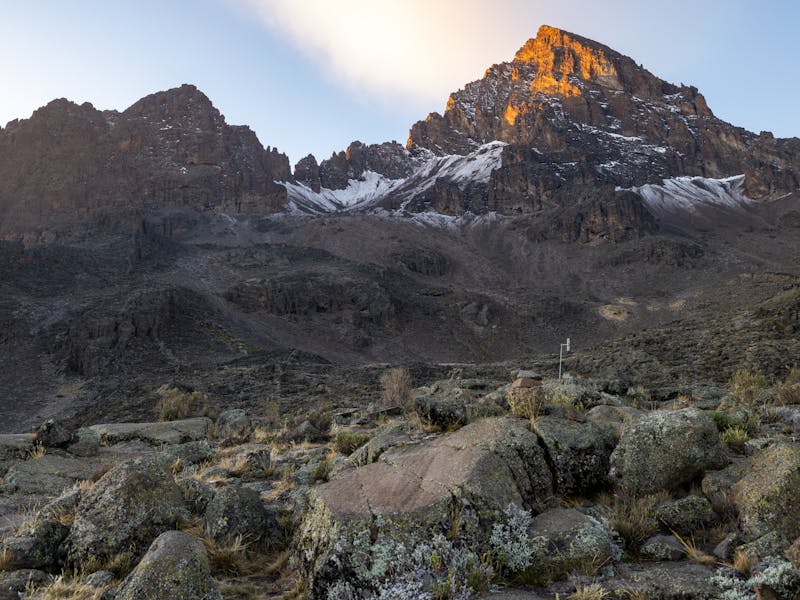
Kilimanjaro offers dramatic landscapes, glaciers, volcanic formations, wide alpine deserts, and sweeping views over Tanzania and Kenya.
Multiple Routes to Suit Every Trekker
With routes like Lemosho, Machame, Rongai, Marangu, and the Northern Circuit, climbers can choose based on scenery, difficulty, crowd levels, and acclimatization needs.
High Success Rates with Proper Itineraries
Longer routes and good acclimatization significantly increase summit success, making Kilimanjaro achievable for most fit hikers.
Iconic Sunrise at Uhuru Peak
Reaching the summit at sunrise is a powerful, emotional moment and one of the most photographed views in Africa.
Wildlife & Cultural Experience
Lower slopes feature wildlife, while the journey is enriched by local guides and the culture of the Chagga people.
Perfect Adventure Add-On
Kilimanjaro combines perfectly with a Tanzania safari or Zanzibar beach holiday, making it ideal for a complete African adventure.
What Our Clients Says
We are proud to announce that Kamili Adventures has earned excelent rating from our happy travelers! This recognition reflects our dedication to delivering exceptional safari experiences and exceeding our clients’ expectations on every adventure.
Best time to climb Kilimanjaro
Dry months usually give climbers clearer skies and more predictable trail conditions.
January
January offers a calm and reliable climbing experience on Mount Kilimanjaro, with bright mornings, cool temperatures, and stable weather that make the journey feel comfortable and predictable. The clear days provide excellent visibility, allowing climbers to fully appreciate the beauty and height of Mount Kilimanjaro without feeling rushed by changing conditions. Its steady climate and gentle trekking atmosphere make January especially appealing for first-time climbers looking for a smooth and enjoyable adventure.
February
February continues the calm and predictable climbing conditions found earlier in the year, bringing slightly warmer afternoons and long stretches of clear skies across Mount Kilimanjaro. The dry and stable weather helps climbers stay comfortable while adjusting to altitude, making it easier to maintain a natural and steady pace throughout the journey. Many travelers choose February because the mountain feels approachable, relaxed, and easier to navigate, especially for those seeking a smooth and well-balanced climbing experience.
March
March begins with the last stretch of the dry season on Mount Kilimanjaro, offering clear mornings, cool temperatures, and comfortable trekking conditions. As the month progresses, clouds begin to build earlier in the day and light moisture becomes more common, causing visibility to change more frequently. Despite these gradual shifts, climbing remains manageable, and many trekkers appreciate March for its quieter trails and more peaceful atmosphere, allowing them to move at their own pace and enjoy a less crowded mountain experience.
April
April marks the start of the long rainy season on Mount Kilimanjaro, bringing wetter trails, heavier cloud cover, and slower trekking conditions across the forest and moorland zones. The climb requires extra caution as paths become muddy and visibility often decreases throughout the day. Although fewer climbers choose this period due to the challenging weather, some travelers are drawn to the quiet atmosphere and peaceful trails while exploring different Kilimanjaro routes.
May
May continues the long rainy season on Mount Kilimanjaro, with cool temperatures, damp trails, and frequent fog covering much of the mountain. Visibility often shifts throughout the day, especially at higher elevations where clouds settle across the slopes. While summit attempts are still achievable, many climbers wait for the upcoming dry season for more stable conditions. However, those seeking quiet trails and a more private trekking experience are often drawn to May, when the mountain feels peaceful, uncrowded, and calm despite the wet weather.
June
June marks the transition back into the dry season on Mount Kilimanjaro, with clearer skies, drying trails, and comfortably cool temperatures ideal for longer trekking days. As conditions steadily improve, visibility becomes more reliable, helping both climbers and guides plan routes with greater ease and confidence. The mountain feels refreshed after the rains, and June is often favored by those who want a quieter experience while still enjoying stable, predictable climbing conditions.
July
July is widely regarded as one of the most dependable months for climbing Mount Kilimanjaro, with clear skies, cool temperatures, and stable conditions that support longer and more comfortable trekking days. The weather remains consistent enough to reduce frequent adjustments, allowing climbers to stay focused on steady progress toward the summit. Although trails can be busier during this popular season, movement is generally smooth, making July a reassuring choice for those aiming for a reliable and well-supported summit experience.
August
August sits firmly within the dry season on Mount Kilimanjaro, bringing crisp days, steady conditions, and refreshing winds at higher elevations that help keep skies clear and views expansive. The terrain remains firm and reliable, allowing climbers to maintain a steady rhythm as they ascend, even though this is one of the busier months on the mountain. Despite the increased traffic, the mountain manages the flow well, and many trekkers appreciate August for its structure, predictability, and overall stability, often planning their climb with clear expectations around both conditions and Kilimanjaro climb costs.
September
September is one of the clearest and most balanced months for climbing Mount Kilimanjaro, offering excellent visibility, steady weather, and comfortably warm afternoons that support long, consistent trekking days. After the busier peak of August, the mountain often feels a little quieter, giving climbers more space while still enjoying reliable dry-season conditions. With long daylight hours and stable temperatures, September is widely appreciated for its clarity, comfort, and overall ease, making it a popular choice for those comparing different Kilimanjaro climbing packages.
October
October sits in a transitional period on Mount Kilimanjaro, where early weeks often remain bright and stable before gradually giving way to the first signs of the short rains toward the end of the month. Trails stay open and climbing is still very much possible, though conditions begin to vary more compared to the peak dry season. With noticeably lighter traffic on the routes, October appeals to climbers seeking quieter paths and a more spacious experience, especially those exploring options like the Kilimanjaro Northern Circuit Route.
November
November marks the beginning of the short rainy season on Mount Kilimanjaro, bringing more frequent showers, damp forest conditions, and shifting visibility throughout the day. The mountain feels quieter during this period, with fewer climbers on the routes and a slower, more patient pace required to adapt to changing weather. Although conditions are less predictable, November offers a calm and uncrowded atmosphere, where trekking teams work closely with experienced Kilimanjaro porters to navigate the wetter terrain steadily and safely.
December
December on Mount Kilimanjaro brings a mix of early-month moisture and increasingly clearer intervals as the holidays approach, creating a varied but still workable climbing window. Conditions can shift from day to day, yet ascents remain possible throughout the month with proper preparation and flexibility. The arrival of holiday travellers adds a lively, upbeat atmosphere on the mountain, while many climbers also take the opportunity to compare different routes before planning future treks. December ultimately offers a transitional feel, blending changing weather with the energy of the festive season.
Questions Climbers Often Think About
A place for the questions, uncertainties, and small concerns that often appear before the adventure begins. These honest answers are designed for anyone preparing for their first Kilimanjaro climb. Taking the first steps toward climbing Mount Kilimanjaro often brings both excitement and uncertainty, and that is completely normal. This guide explores the common questions climbers ask about the mountain, routes, altitude, preparation, and the practical details that help transform the challenge into something achievable and easier to understand.
Where is Mount Kilimanjaro located?
Mount Kilimanjaro is located in northeastern Tanzania, near the border with Kenya. It stands within Mount Kilimanjaro and is part of Kilimanjaro National Park, making it one of Africa’s most famous trekking destinations.
How tall is Mount Kilimanjaro?
Mount Kilimanjaro stands at 5,895 meters (19,341 feet) above sea level, making it the highest mountain in Africa and the world’s tallest free-standing mountain. Its highest point is known as Uhuru Peak, located on the Kibo volcanic cone.
What is the best time to climb Mount Kilimanjaro?
The best times to climb are generally from January to March and June to October, when weather conditions are usually drier and visibility is better. These months often provide more comfortable trekking conditions and higher chances of clear summit views.
How difficult is climbing Mount Kilimanjaro?
Climbing Mount Kilimanjaro is physically demanding mainly because of the altitude rather than technical difficulty. The trek involves several days of hiking at high elevations, but no technical climbing skills are needed for standard routes.
Do I need experience to climb Mount Kilimanjaro?
No previous climbing experience is required. Many first-time trekkers successfully reach the summit with proper preparation, good fitness, the right route choice, and enough time for acclimatization.
How many days does it take to climb Mount Kilimanjaro?
Most routes take between 5 and 9 days. Longer itineraries are usually recommended because they allow better acclimatization and improve summit success rates.
Which Kilimanjaro route is best for beginners?
Routes like Lemosho and Rongai are often recommended for beginners because they offer gradual altitude gain and good acclimatization opportunities. Choosing a longer route usually increases comfort and success chances.